Skip to content
Agustín González Corazza

Experiments & Technology

Parallel projects that keep alive what started long before architecture: the need to experiment, learn and try new tools.

GGV

since 2024 · experimental sonar, Rosario

A sonar we build from scratch, from the circuits to the boat that carries it.

GGV is a project with former technical school classmates. We design the electronics, write the programs, print the parts and mill the boards ourselves. We meet once a week at the bench and spend the rest of the week analyzing what we measured.

The idea is simple: the sonar sends a sound pulse, listens for the echo, and from that echo we learn how far an object is and what it may be made of. Move the control below to see how the echo changes with distance.
The GGV workshop website →

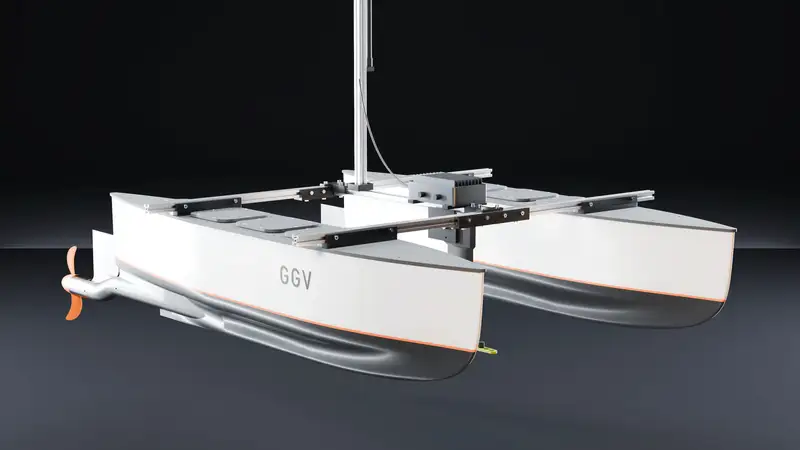
GGV catamaran from the bow, render
Fig. 1GGV catamaran from the bow, render.
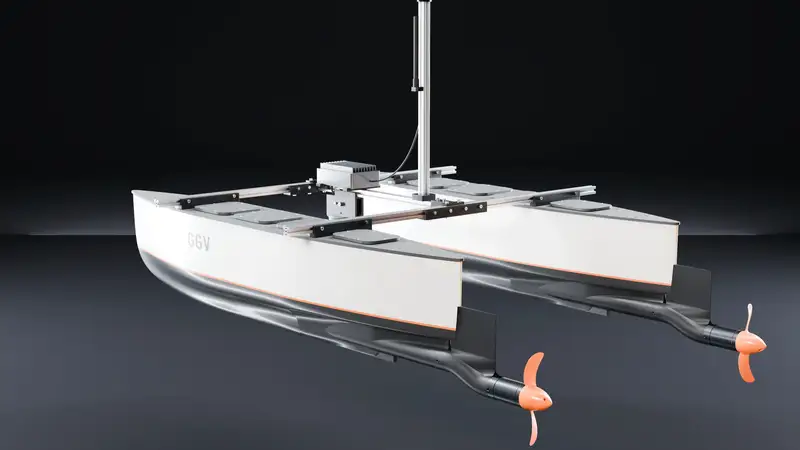
GGV catamaran from the stern, render
Fig. 2GGV catamaran from the stern, render.
Fig. 3A simulation of what the sonar receives: first the pulse it sends, then the echo.
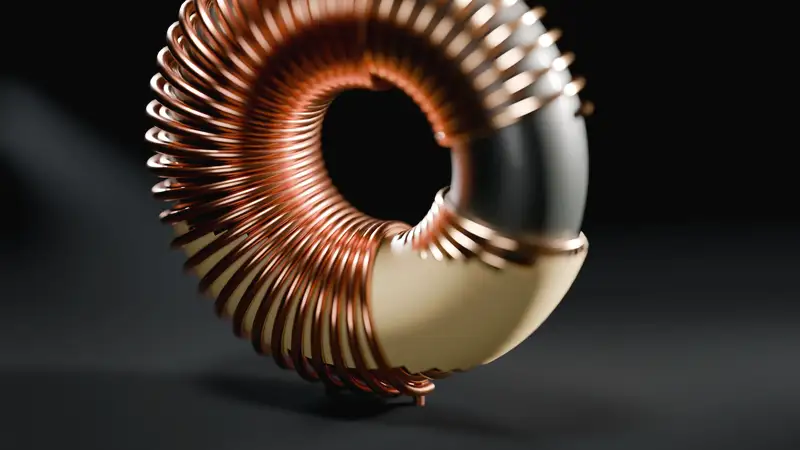
A hand-wound transformer for the sonar
Fig. 4A hand-wound transformer for the sonar.

How it went

  1. Aug 2026

    First live capture: the electronics, still on a breadboard, detect objects up to 1.2 m in air.

  2. Sep 2026

    We chase down the noise, rebuild part of the circuit, and the signal gets much cleaner.

  3. Oct 2026

    We design a new power stage for the emitter.

The GGV catamaran

since 2026 · the boat that carries the sonar

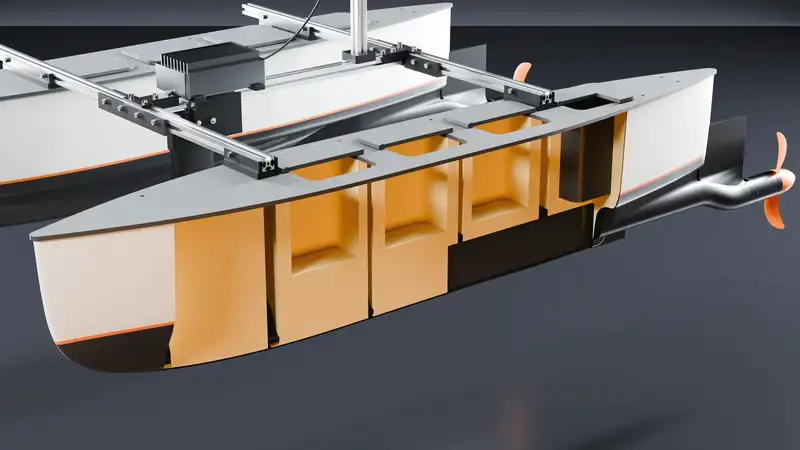
A boat with two 3D-printed hulls, designed to run a survey on its own.

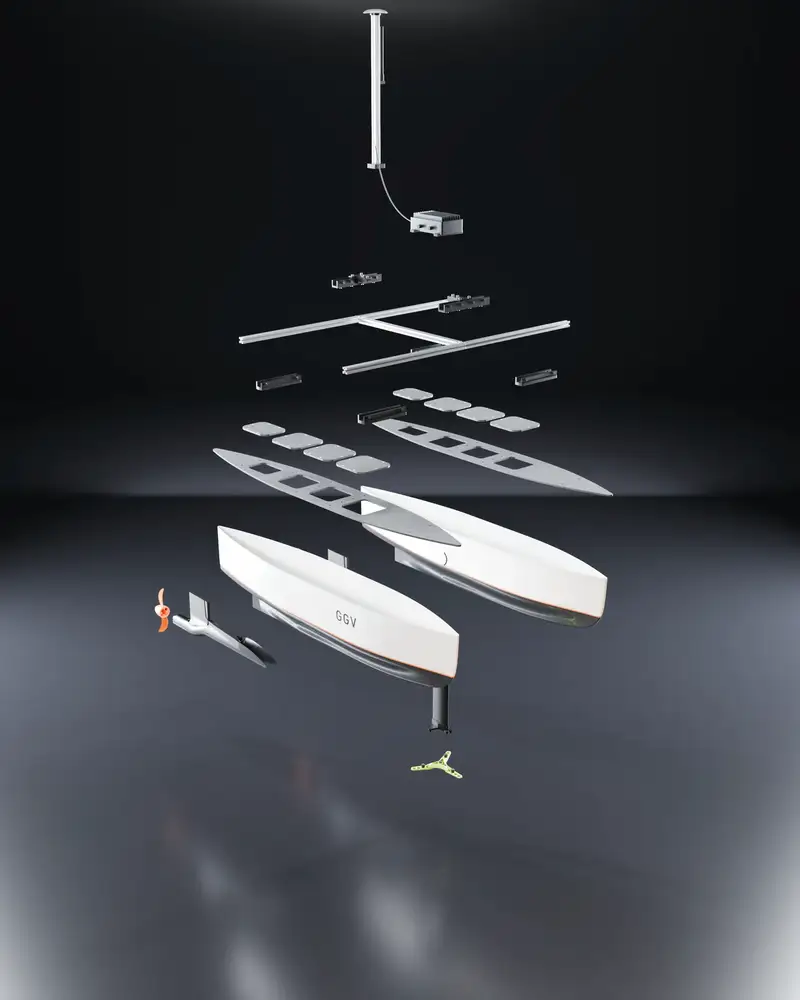
Each hull is 1.3 m long and is printed in sections, then filled with foam so it keeps floating even if pierced. The deck is cut on the CNC, and an aluminum frame joins the two hulls.

The route gets drawn from the shore and the boat follows it by itself. It has not been in the water yet: we test it in a simulator of the Paraná off Rosario, which already helped us find real faults.
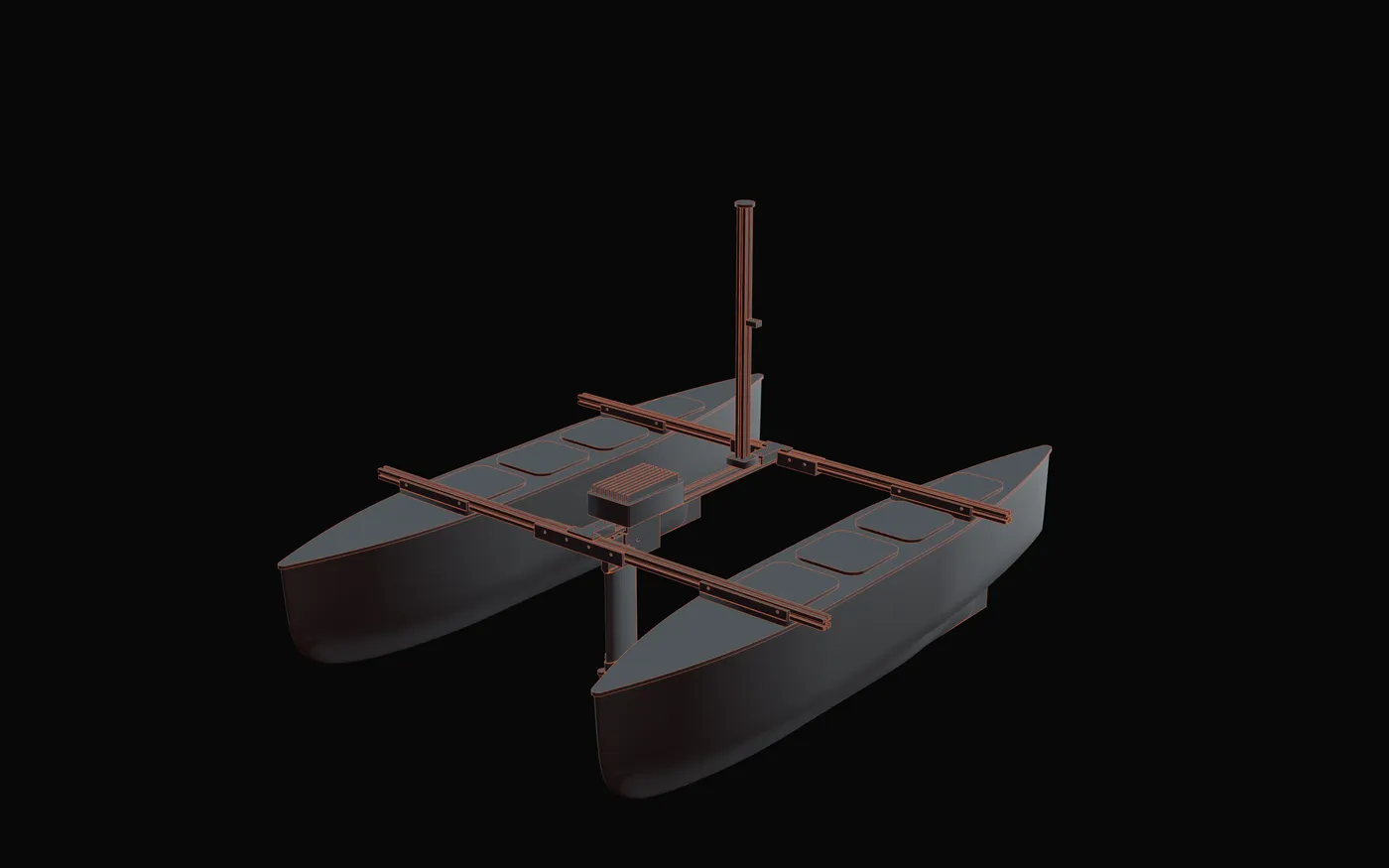
Catamaran mesh in dark gray with coral edges, on black
Fig. 5The GGV catamaran: hulls, deck, frame and mast from its model. 100,756 faces in the file, 29,998 here, 15 STL files. Scrolling turns it; drag it or use the left and right arrows.
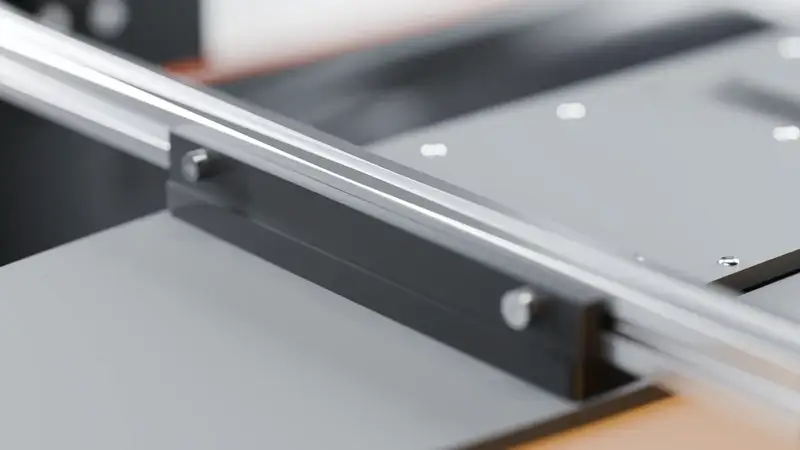
Fig. 6One printed layer of the hull frames, drawn from the real print file.
Fig. 7One deck plate, drawn from the real CNC cutting file.
Exploded view of the boat
Fig. 8Exploded view of the boat.
Lengthwise section of a hull, with its foam filling
Fig. 9Lengthwise section of a hull, with its foam filling.
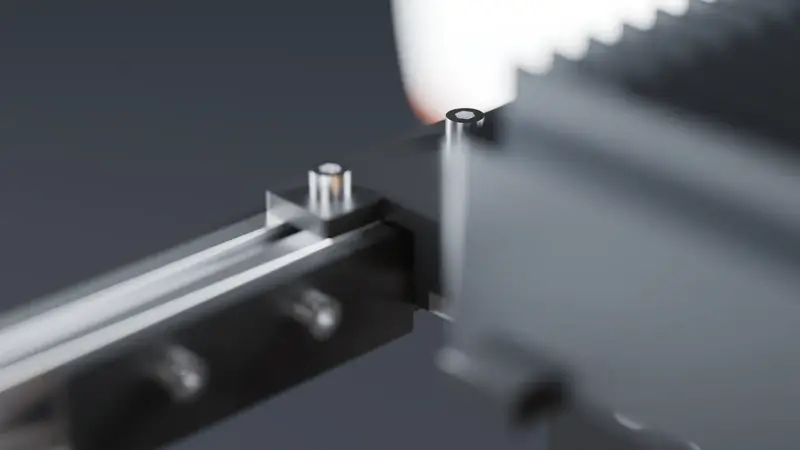
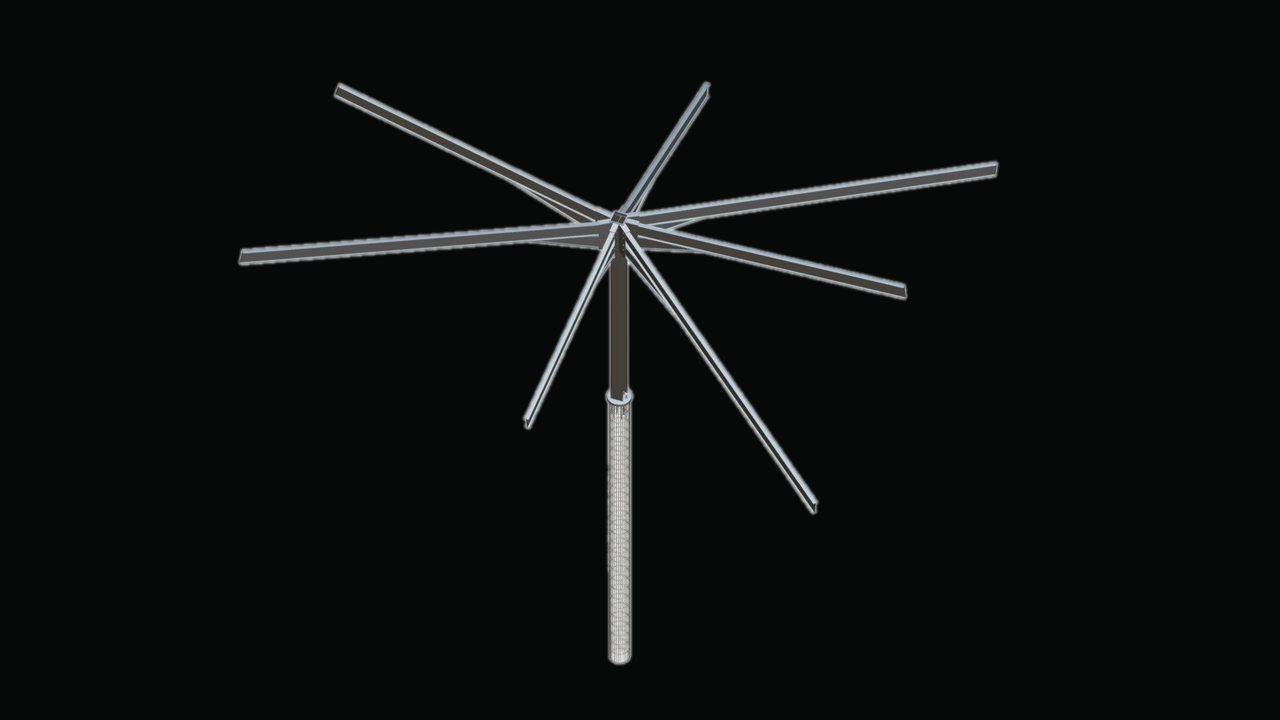
Central joint of the aluminum frame
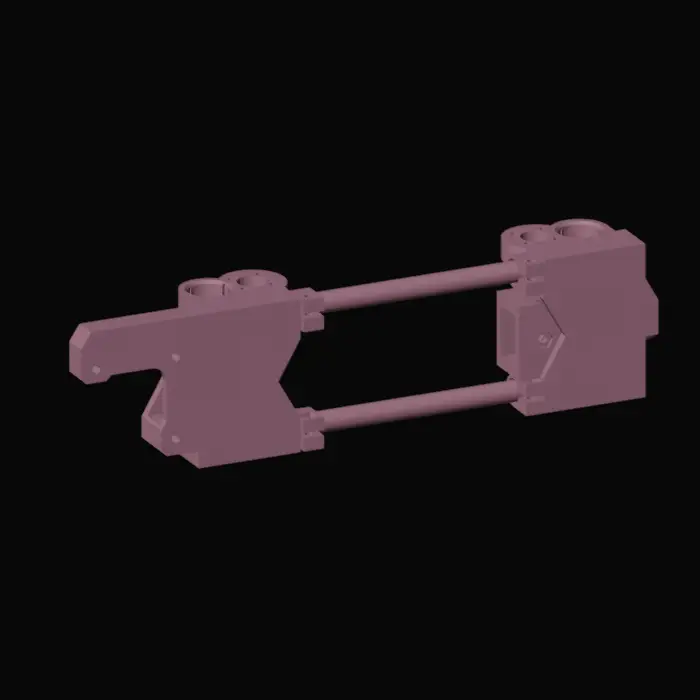
Fig. 10Central joint of the aluminum frame.
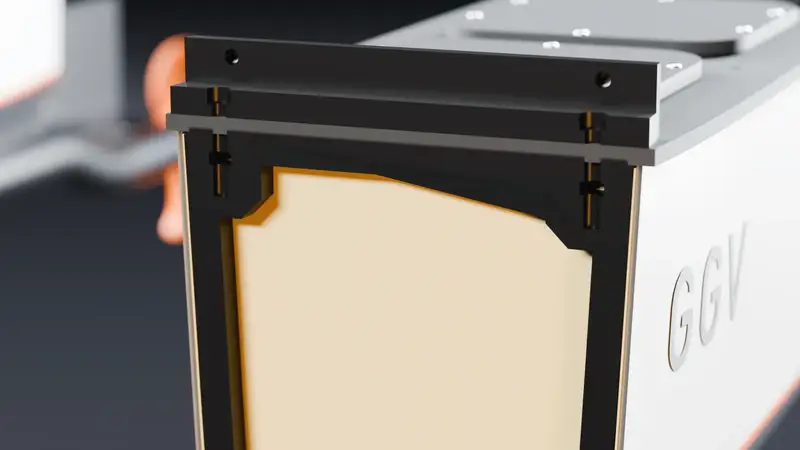
How the frame meets the hull
Fig. 11How the frame meets the hull.
Frame support on the deck
Fig. 12Frame support on the deck.

These images are not photos

They come from the same files used to build the boat. When a part changes, the images get generated again.
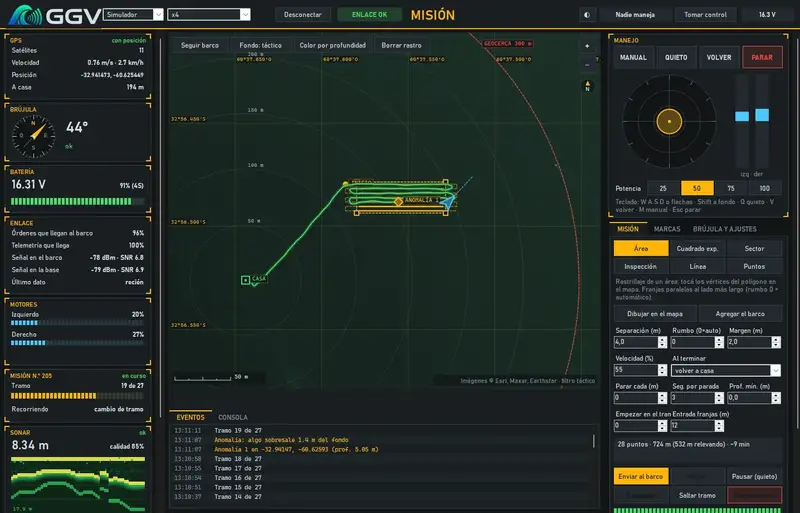
The control program during a mission in the simulator
Fig. 13The control program during a mission in the simulator.
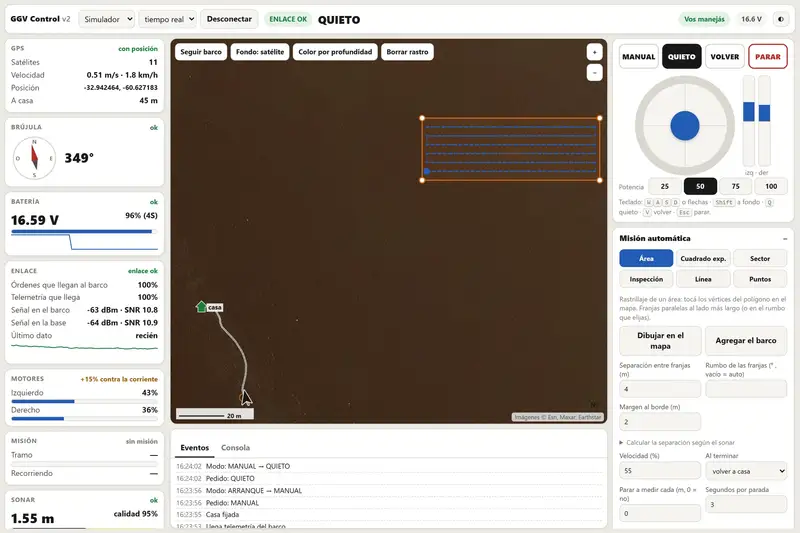
A survey route drawn in the program
Fig. 14A survey route drawn in the program.
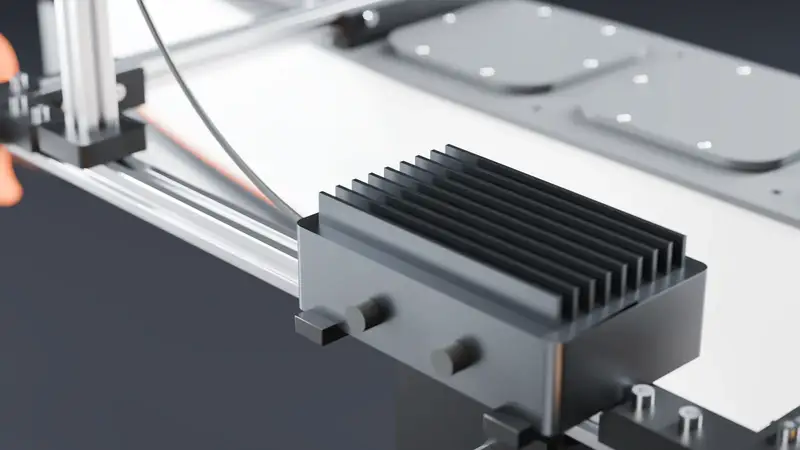
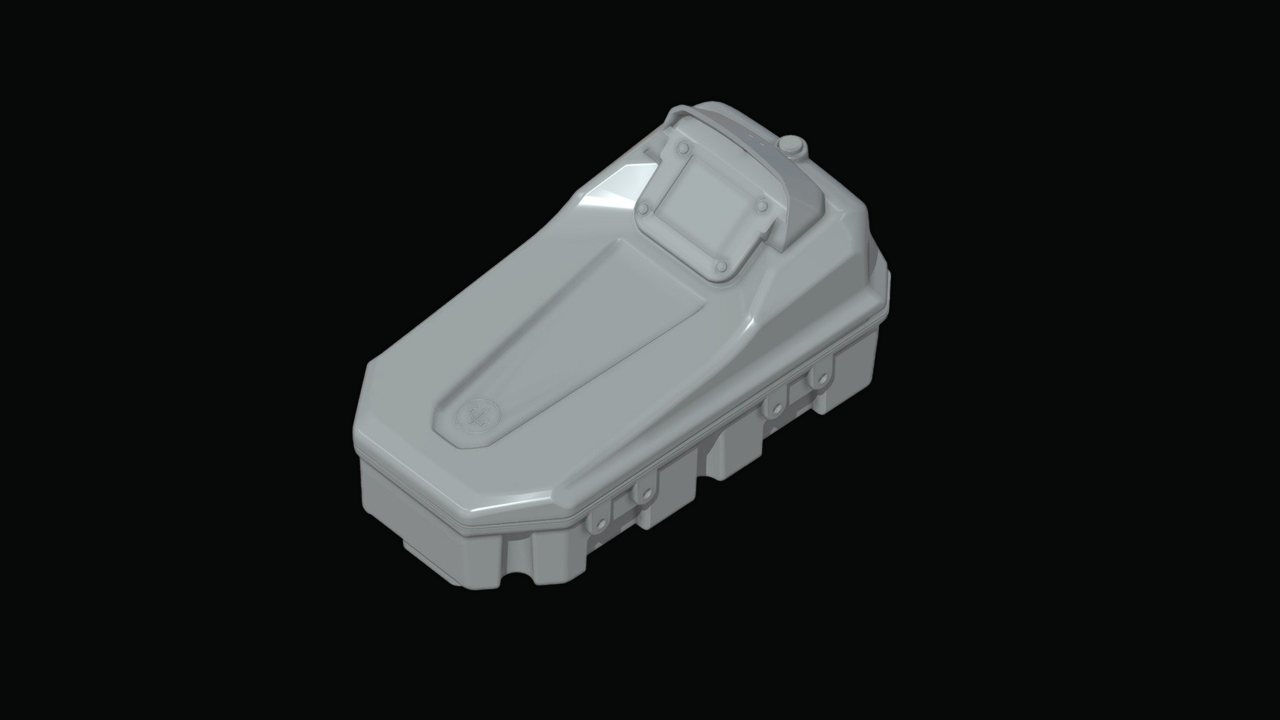
Electronics module and mast base
Fig. 15Electronics module and mast base.
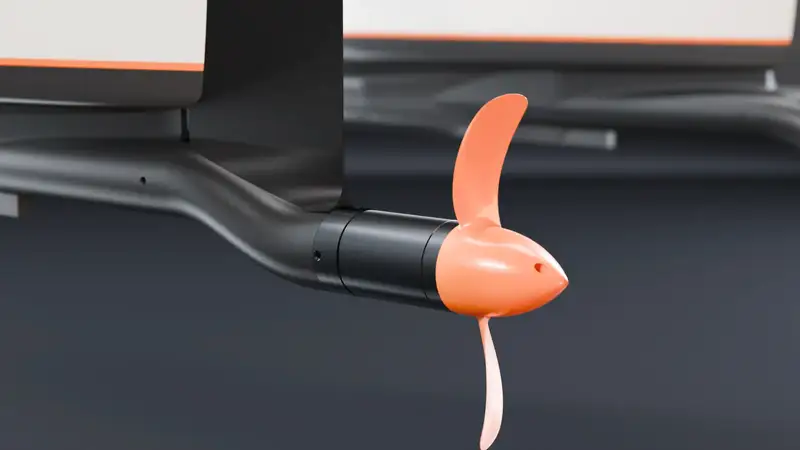
Motor and propeller under the hull
Fig. 16Motor and propeller under the hull.

TheUrbanSci

since 2026 · maps made from data

Maps and films of cities, made from real data.

TheUrbanSci is an Instagram account where I explore new ways of showing cities. The rule is simple: the numbers come from data, and whatever is missing or assumed gets said in the caption.

Fig. 17TheUrbanSci, the presentation video.

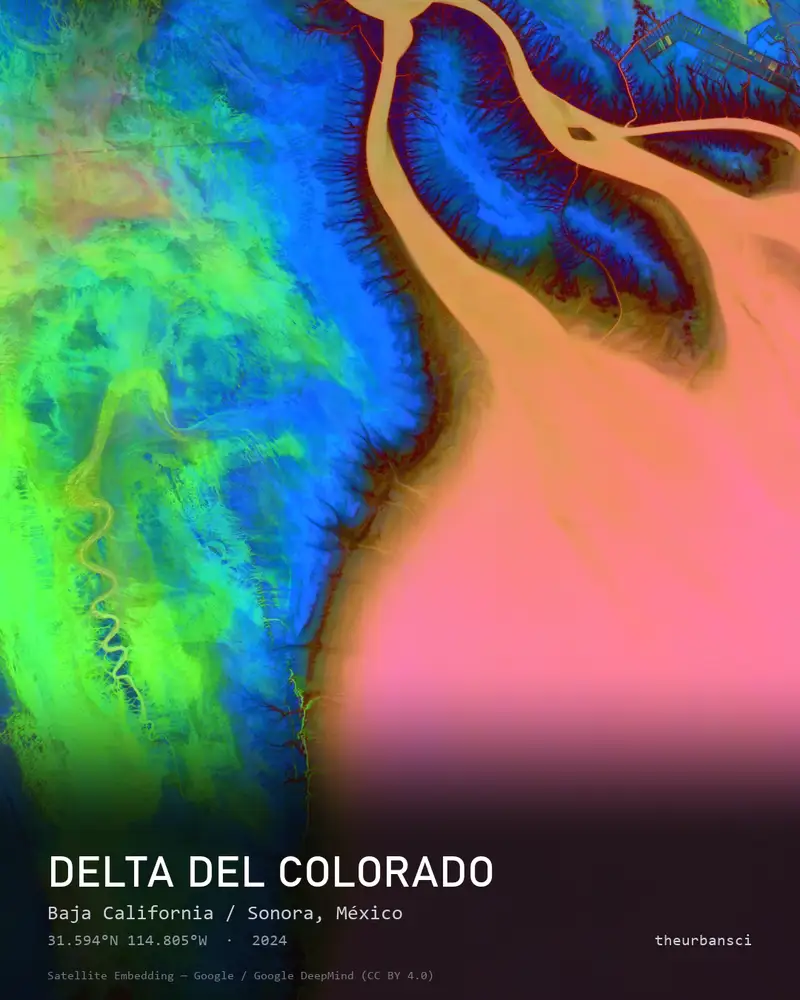
Carousels from satellite data

A series of 146 carousels, one place per post, that turns satellite data into color to read what each territory is like.
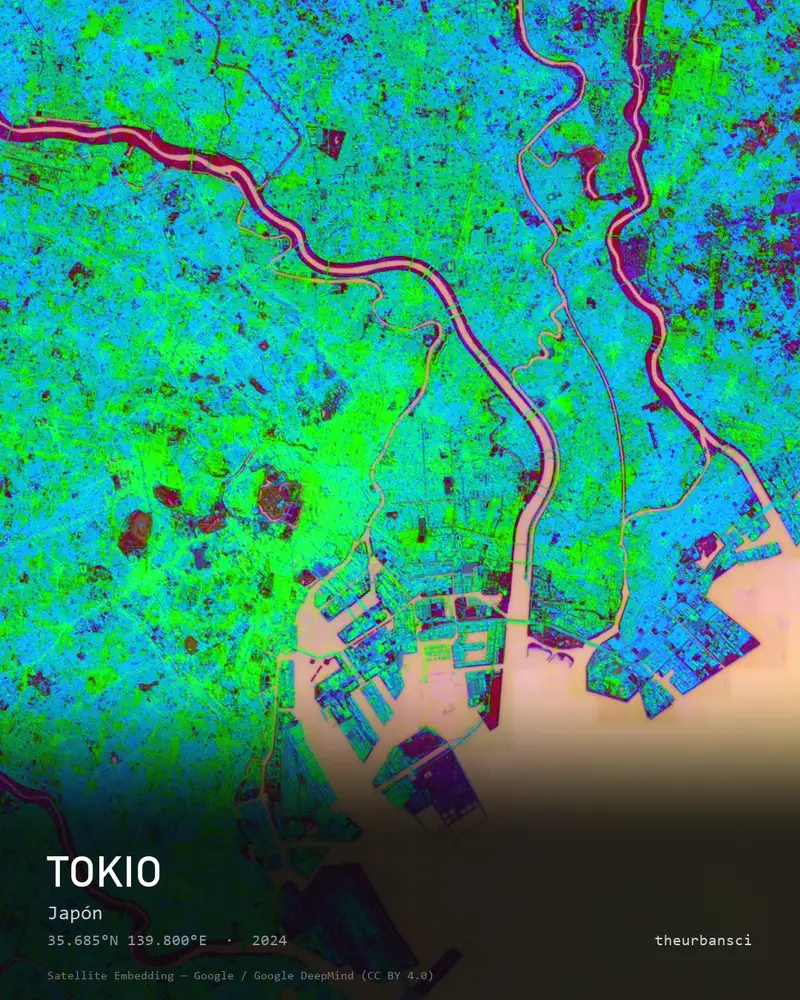
Tokyo, with satellite data turned into color
Fig. 18Tokyo, with satellite data turned into color.
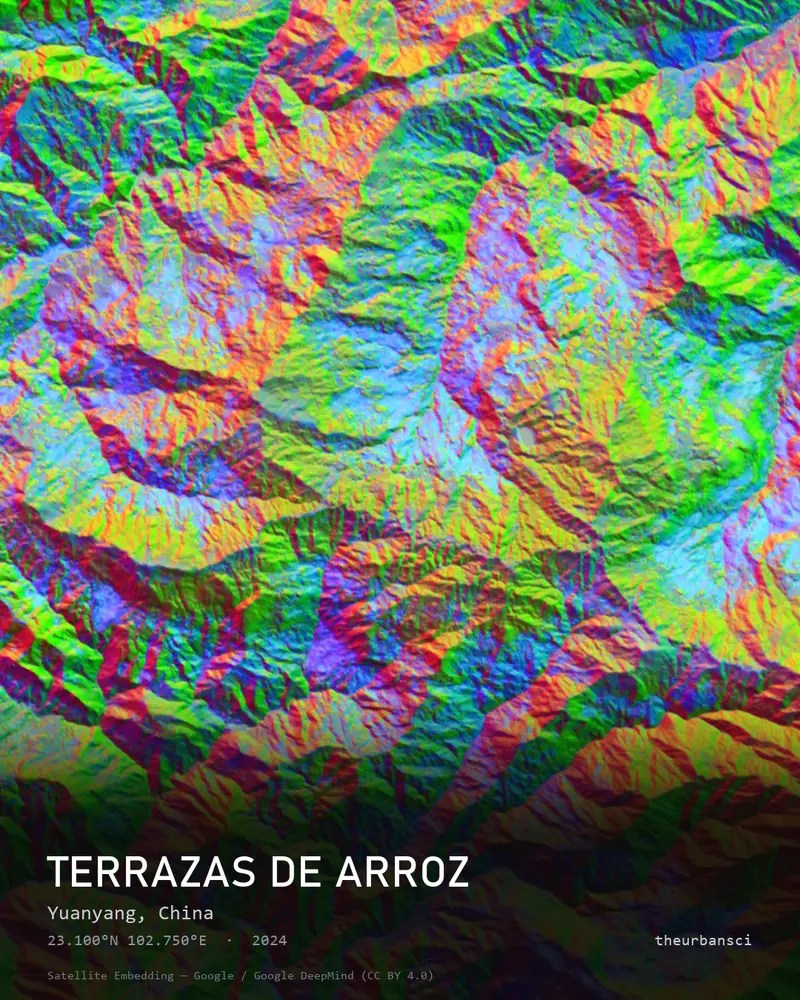
The Yuanyang rice terraces, China, with satellite data turned into color
Fig. 19The Yuanyang rice terraces, China, with satellite data turned into color.
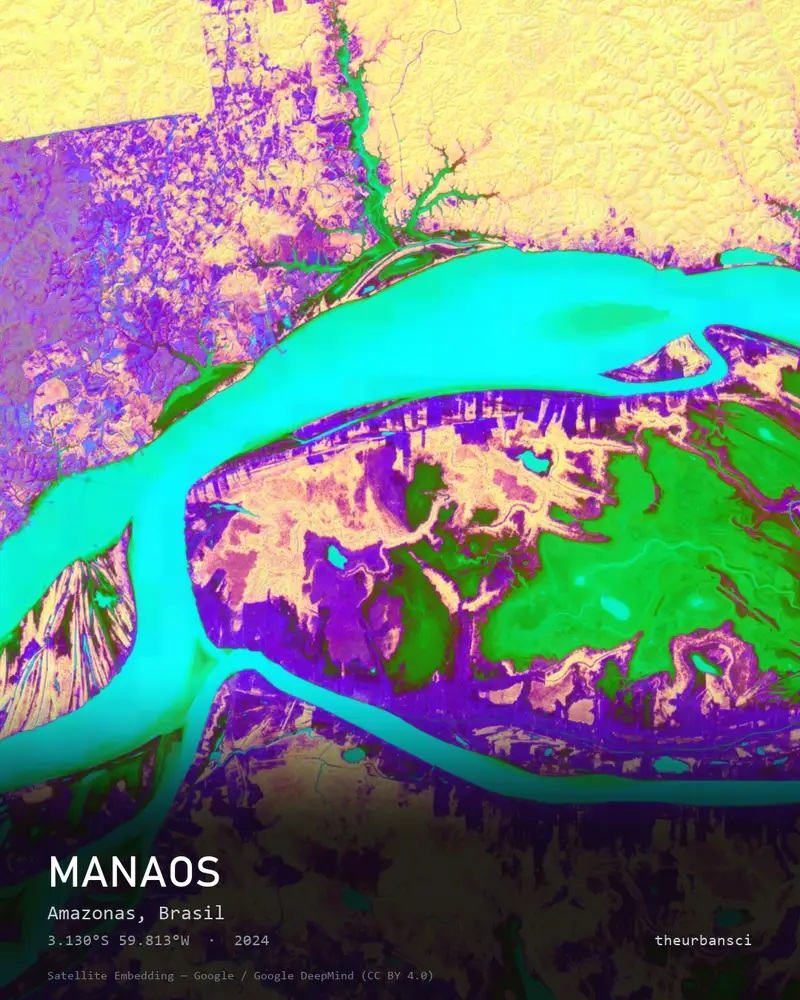
Manaus, Brazil, with satellite data turned into color
Fig. 20Manaus, Brazil, with satellite data turned into color.
The Colorado River delta, with satellite data turned into color
Fig. 21The Colorado River delta, with satellite data turned into color.

Cities in Unreal Engine

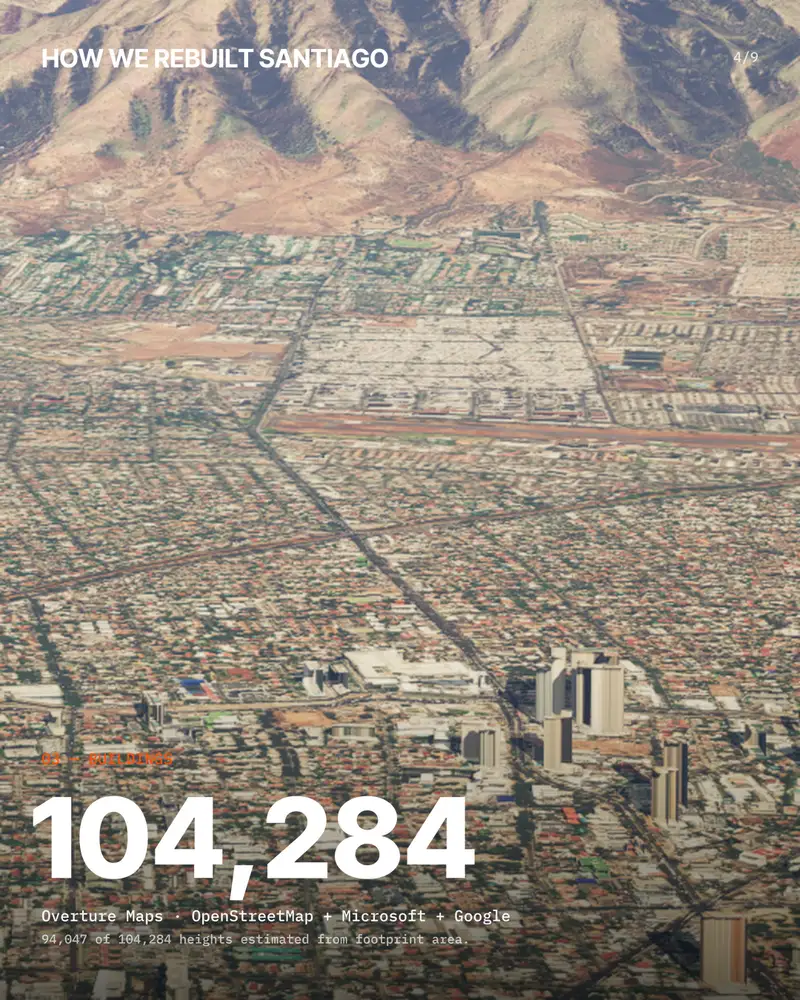
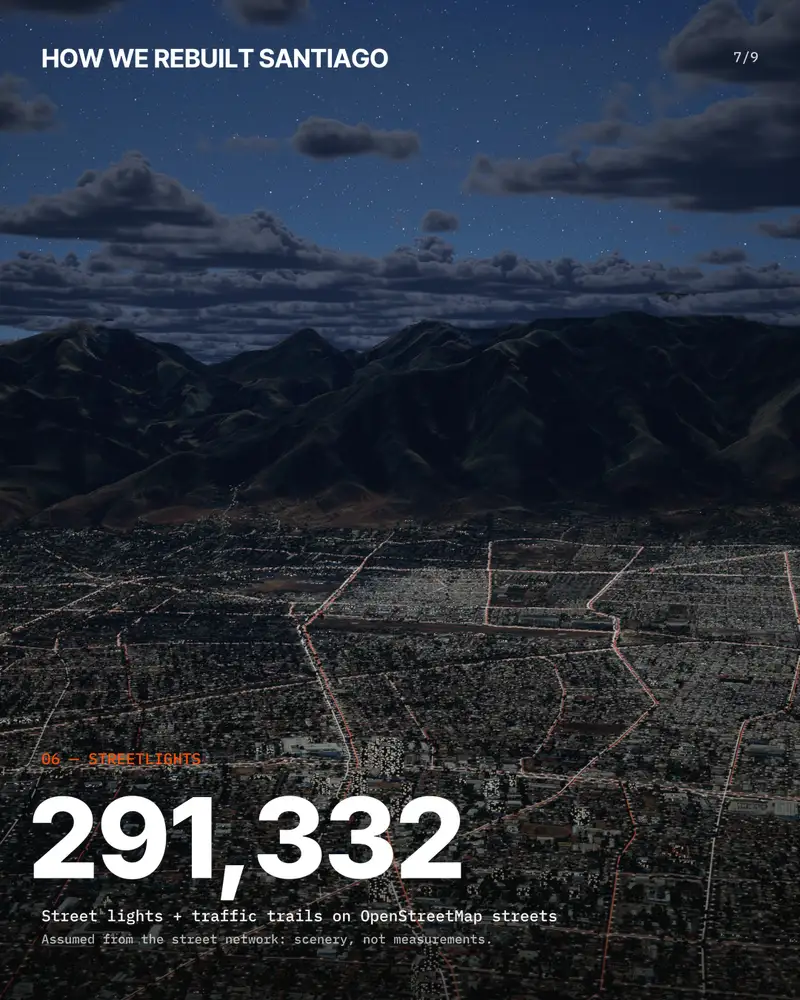
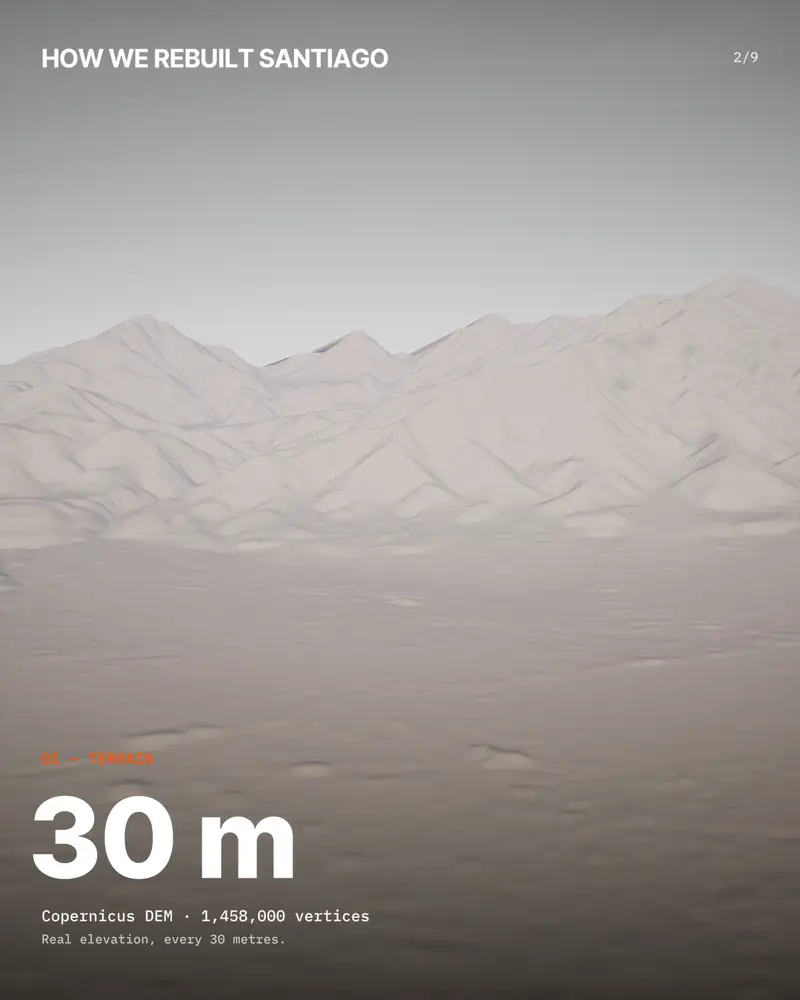
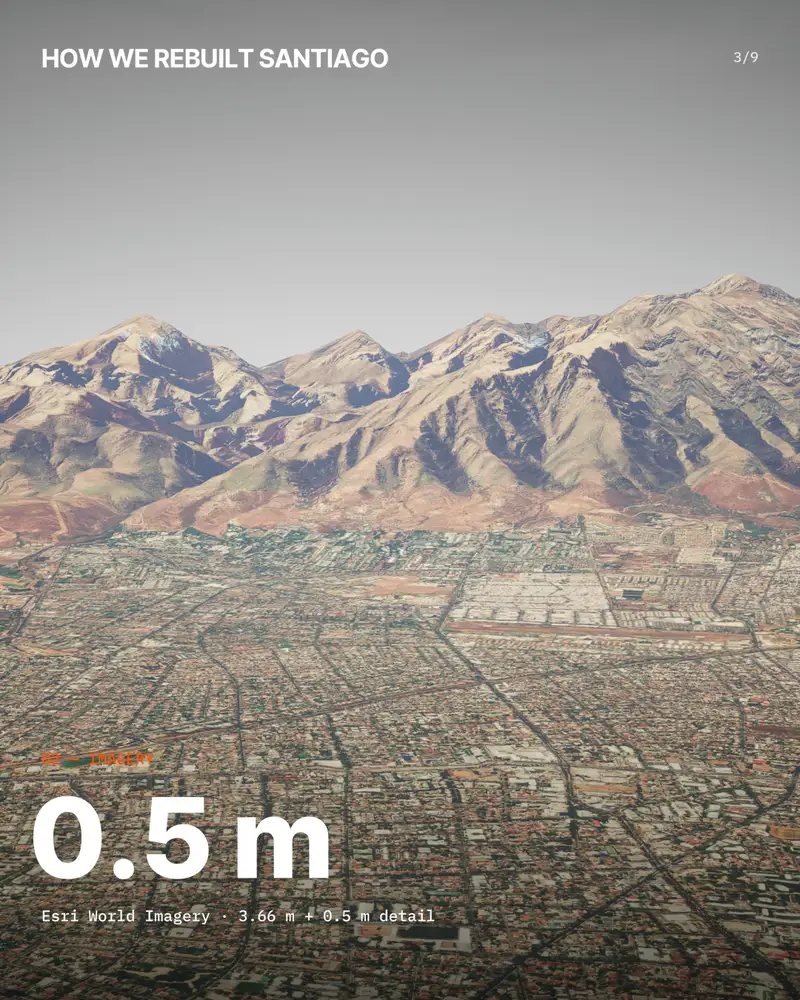
In September 2026 I took this work to Unreal Engine. The data stays the same; what changes is how it is shown: with a camera, depth, light and fog, over the real terrain and an aerial photo.
Layer 1: the real terrain
Fig. 22Layer 1: the real terrain.
Layer 2: the aerial photo
Fig. 23Layer 2: the aerial photo.
Layer 3: the buildings
Fig. 24Layer 3: the buildings.
Night layer: street lights and traffic trails, as scenery
Fig. 25Night layer: street lights and traffic trails, as scenery.

One year of sun

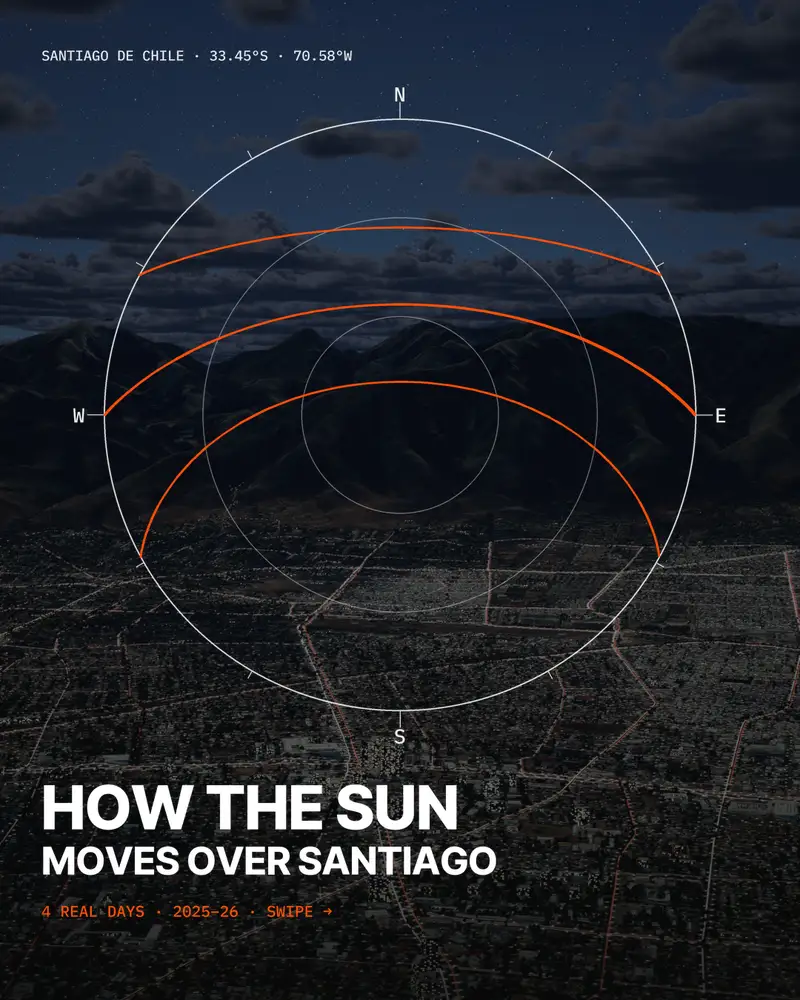
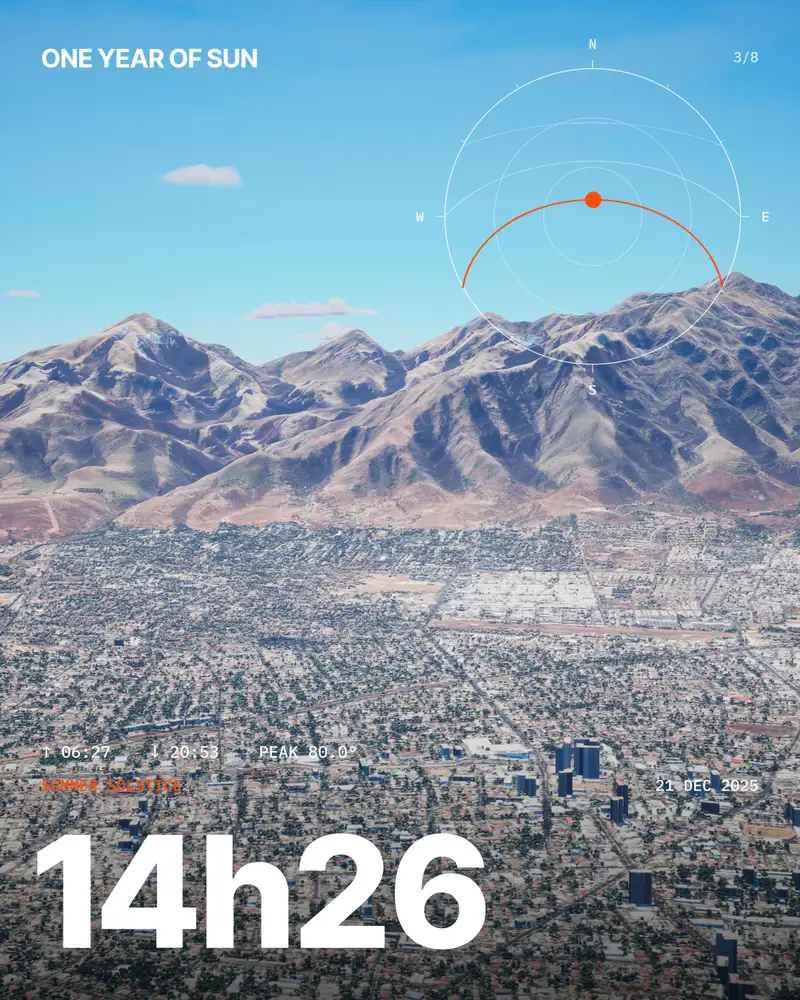
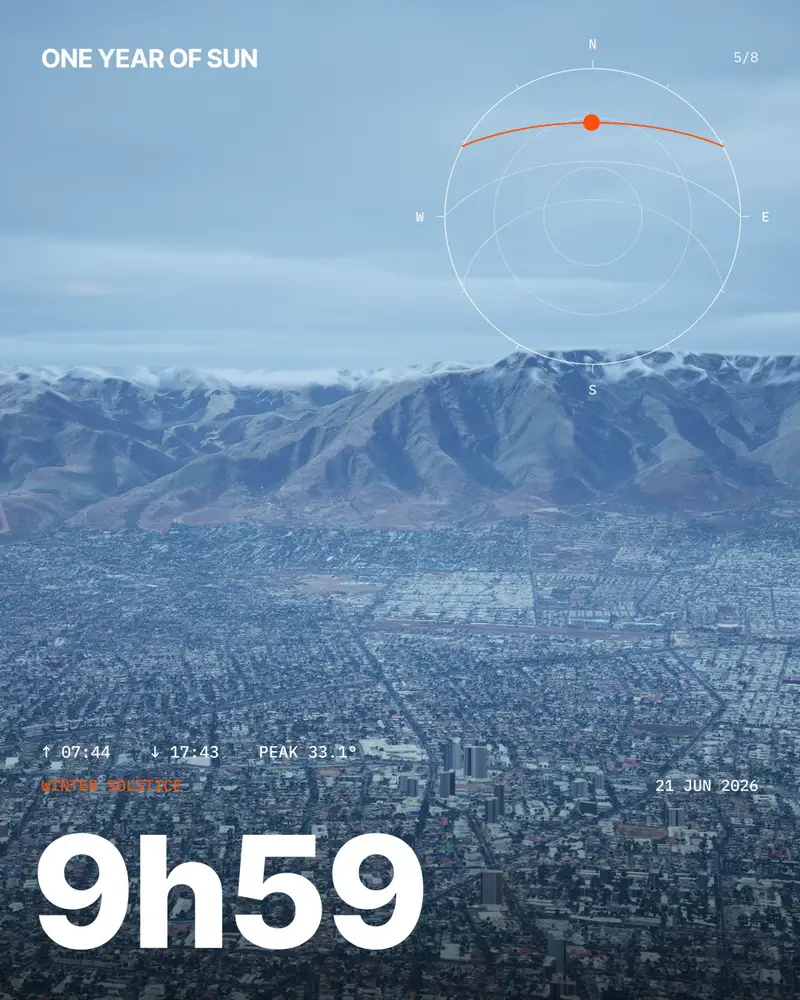
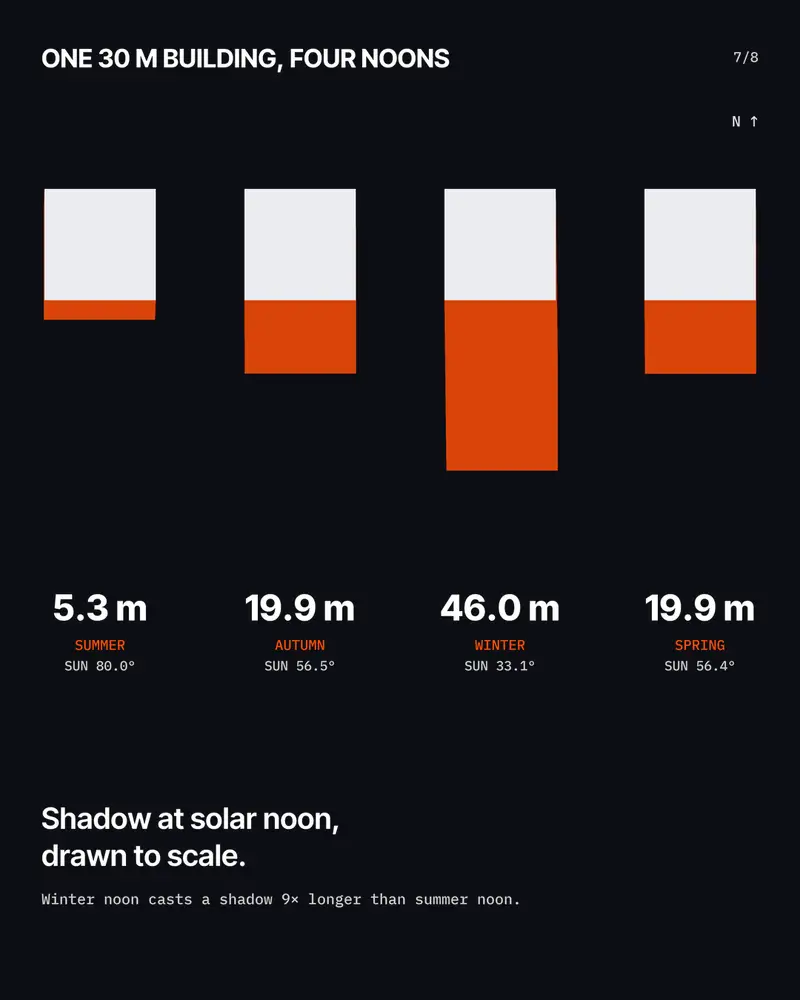
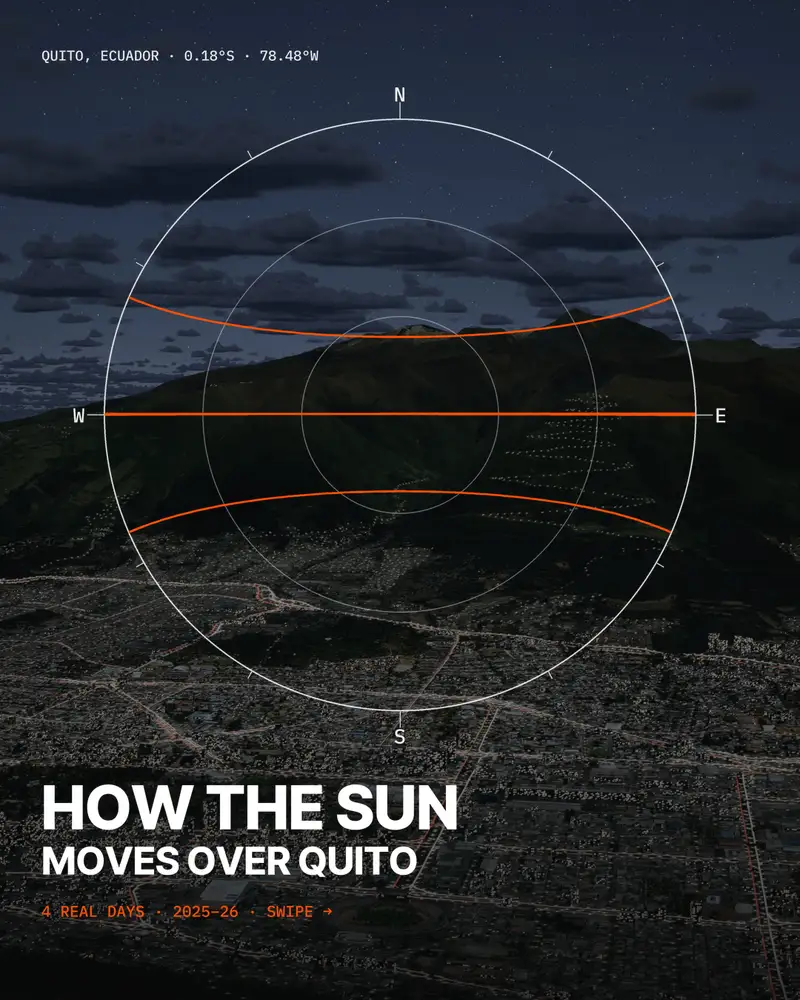
A series that shows four real days of the year in one city: two solstices and two equinoxes, with the sun where it really was. It started with Santiago and continues with Quito.
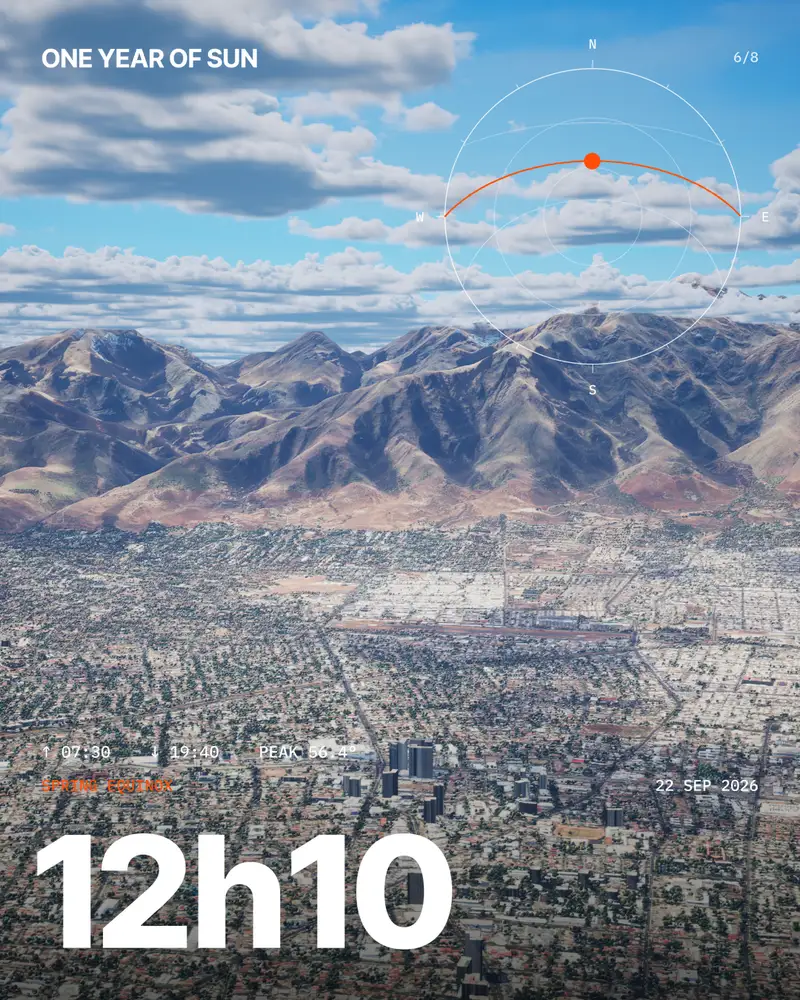
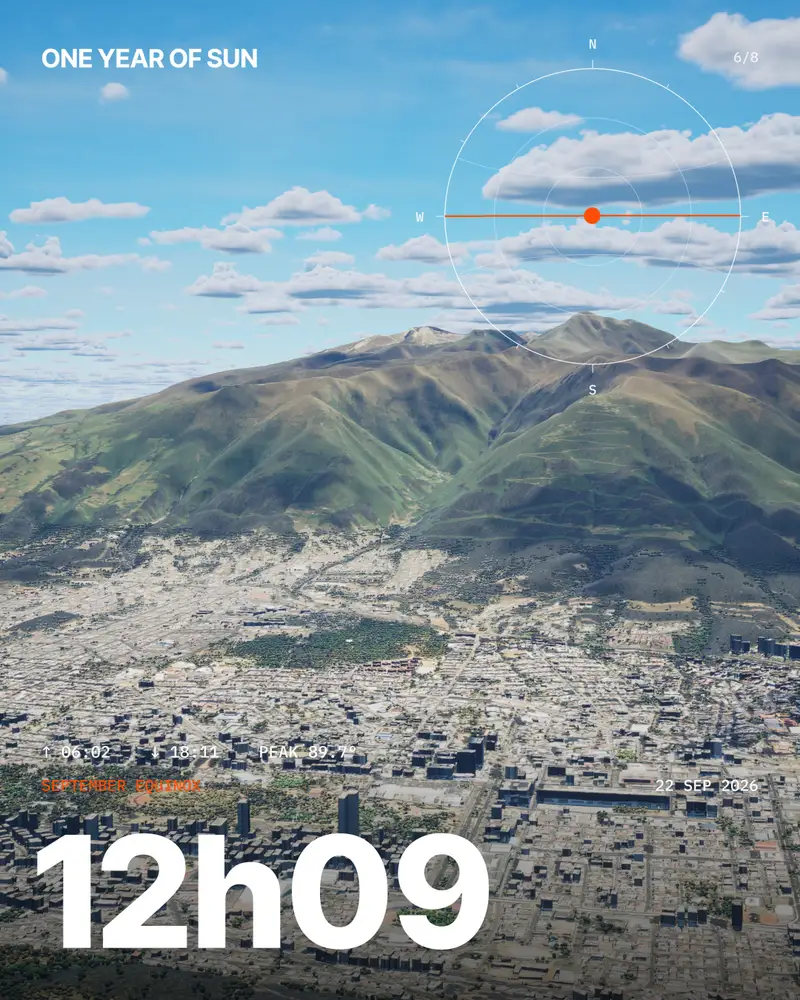
Fig. 26One year of sun, Santiago.
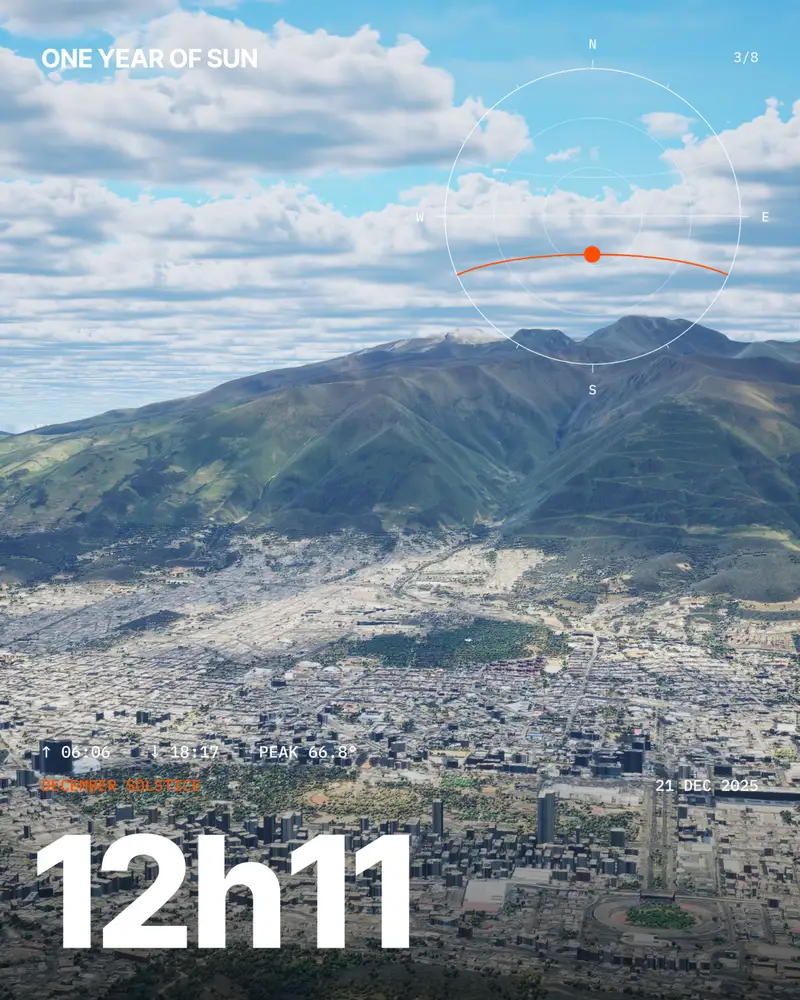
Fig. 27One year of sun, Quito.
Santiago seen from above with the Andes behind, from the series One Year of Sun
Fig. 28Santiago seen from above with the Andes behind, from the series One Year of Sun.
Quito and its mountain from above, from the series One Year of Sun
Fig. 29Quito and its mountain from above, from the series One Year of Sun.
How the sun moves over Santiago: the real path on the four days
Fig. 30How the sun moves over Santiago: the real path on the four days.
Summer solstice over Santiago: 14 h 26 min of daylight
Fig. 31Summer solstice over Santiago: 14 h 26 min of daylight.
Winter solstice over Santiago: 9 h 59 min of daylight
Fig. 32Winter solstice over Santiago: 9 h 59 min of daylight.
One 30 m building at four noons: the shadow drawn to scale
Fig. 33One 30 m building at four noons: the shadow drawn to scale.
How the sun moves over Quito, on the equator
Fig. 34How the sun moves over Quito, on the equator.
December solstice over Quito: 12 h 11 min of daylight
Fig. 35December solstice over Quito: 12 h 11 min of daylight.
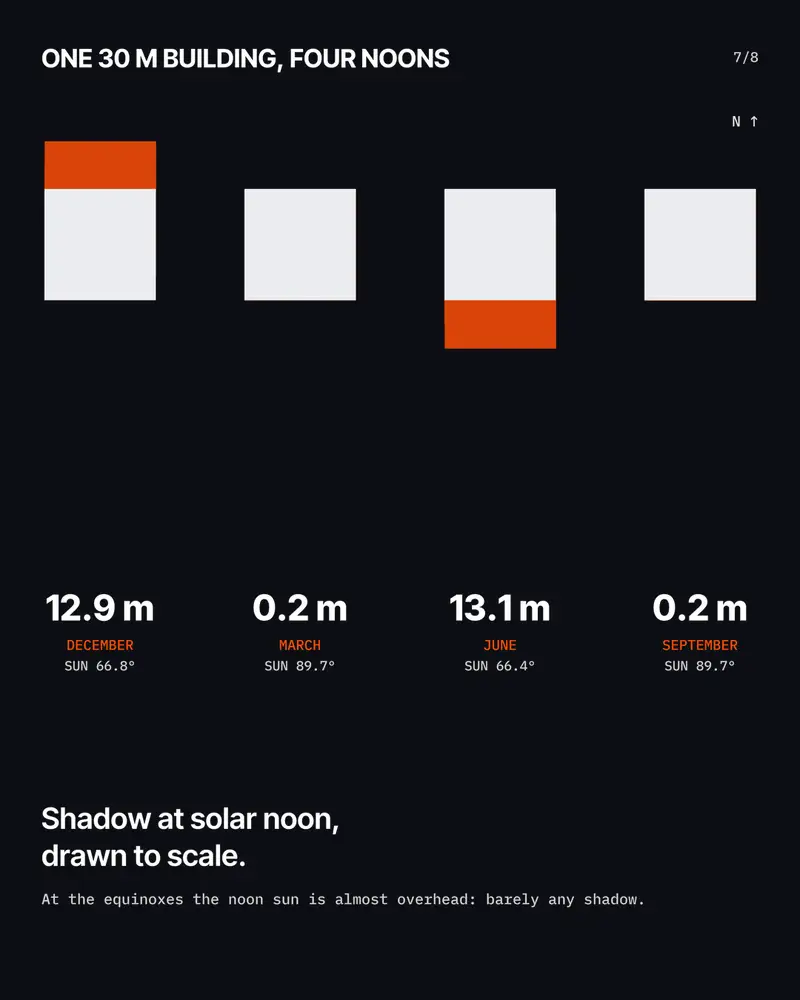
The same 30 m building in Quito: at the equinoxes the noon shadow almost disappears
Fig. 36The same 30 m building in Quito: at the equinoxes the noon shadow almost disappears.
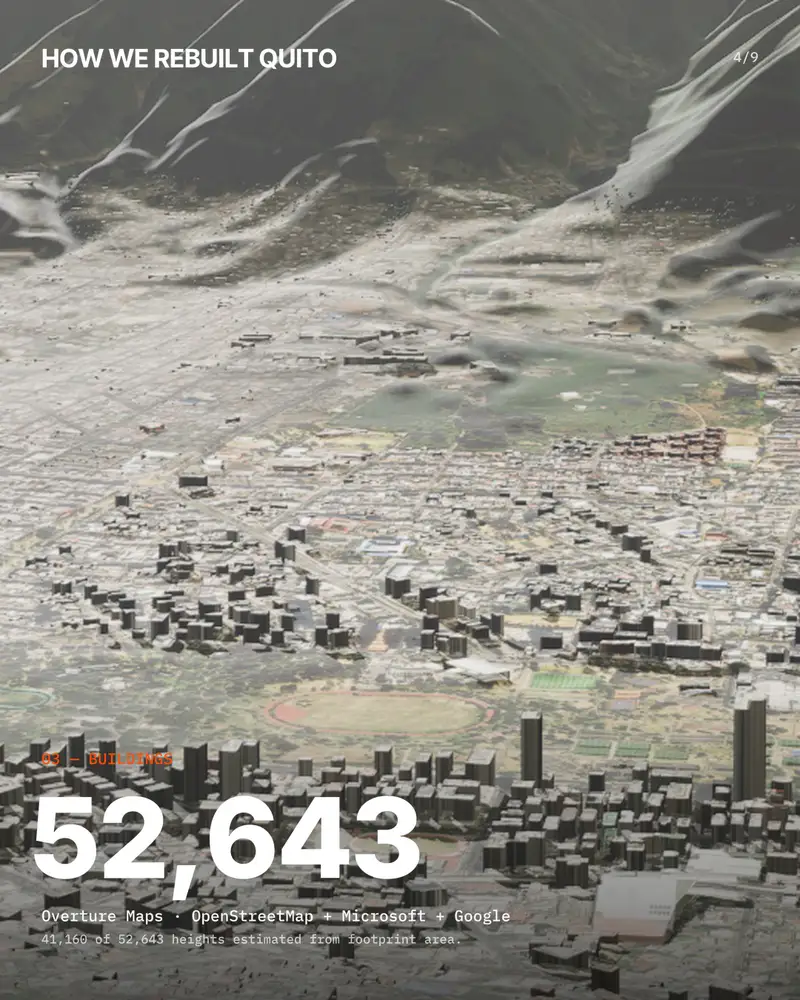
Quito rebuilt with 52,643 buildings
Fig. 37Quito rebuilt with 52,643 buildings.

The workshop

2026 · 3D printing and CNC

Machines I keep repairing, improving and using to try things.

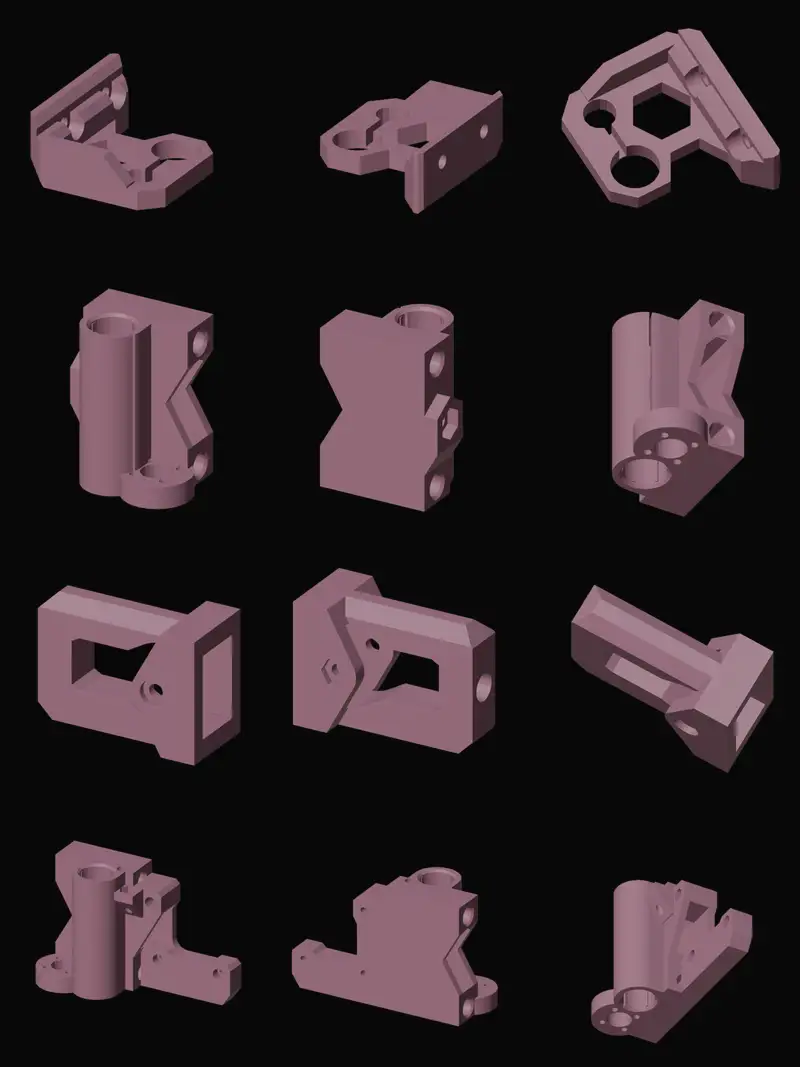
The workshop has 3D printers and a CNC I built in melamine, which also mills the sonar boards. When a part of a printer breaks, I design and print a new one.
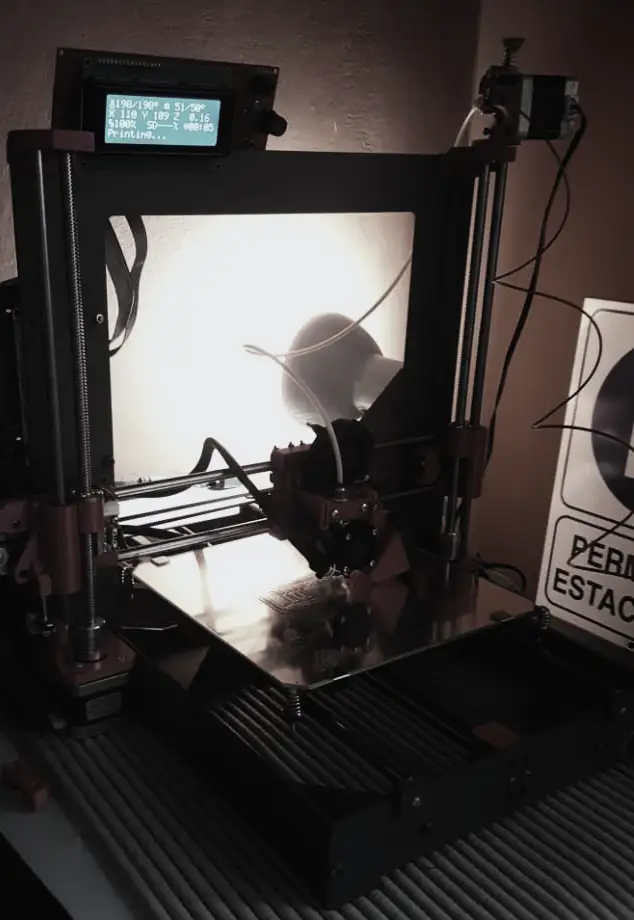
The P3Steel printing, January 2019
Fig. 38The P3Steel printing, January 2019.
New printer parts I designed
Fig. 39New printer parts I designed.
A small part added so the printer holds its alignment
Fig. 40A small part added so the printer holds its alignment.

Printing as a design material

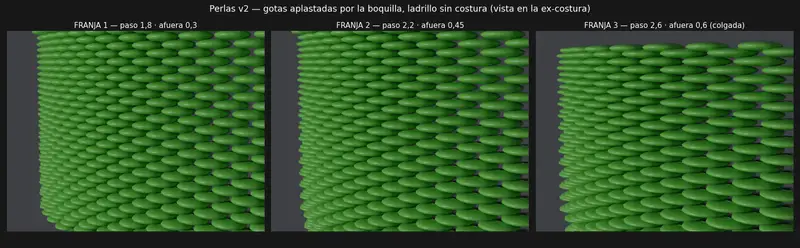
I also test what can be done by programming the printer directly: vases with folds and twists, and walls with beads and pearls that a normal print would not give.
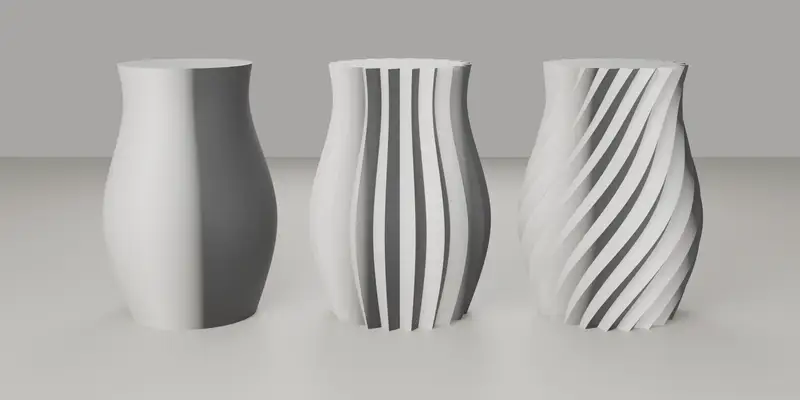
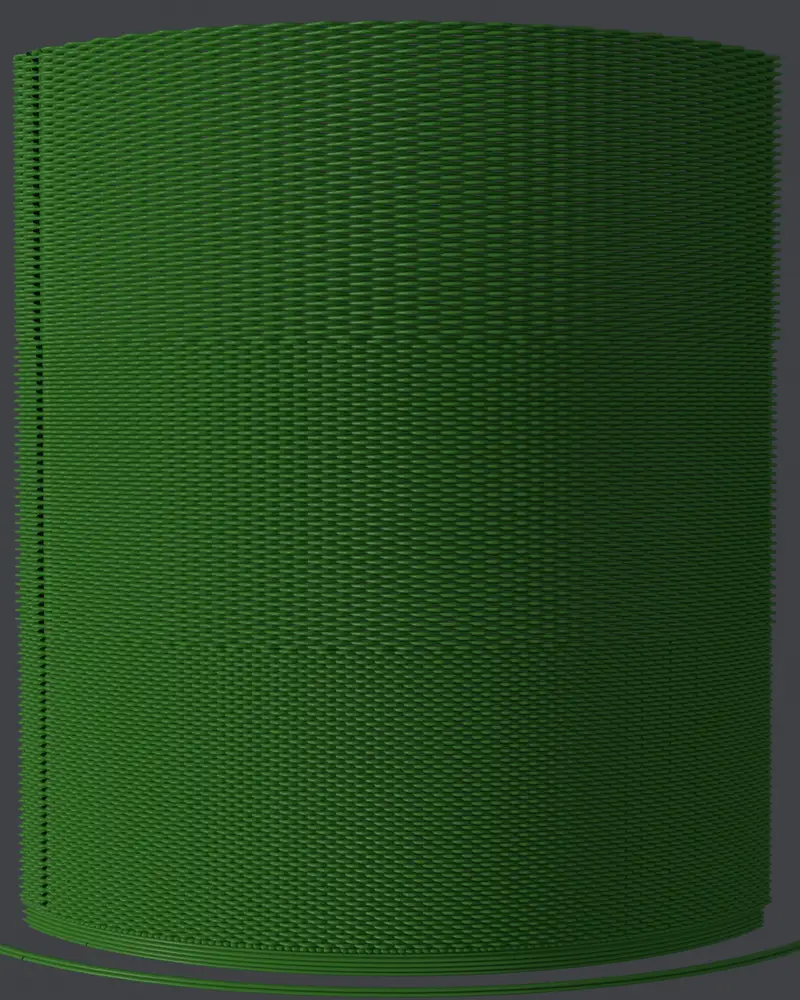
Vases made by programming the printer
Fig. 41Vases made by programming the printer.
Test piece with a beaded wall
Fig. 42Test piece with a beaded wall.
Test piece with a pearled wall
Fig. 43Test piece with a pearled wall.

Roof digitization with AI

2026 · from aerial images to CAD

AI builds a first base; people review it and it ends up in CAD.

Drawing every roof of a neighbourhood by hand takes a long time. With AI, a first base is built from aerial images; it is then reviewed and corrected, and the result is delivered in CAD.

What AI marks on the left, and the same roofs cleaned up on the right
Fig. 44What AI marks on the left, and the same roofs cleaned up on the right. Sample data, not a real neighbourhood.

Models you can turn

2025 · Sketchfab

Some models can be opened and turned in the browser.

Click on one to load it and turn it around. The photogrammetry models are in the About page.
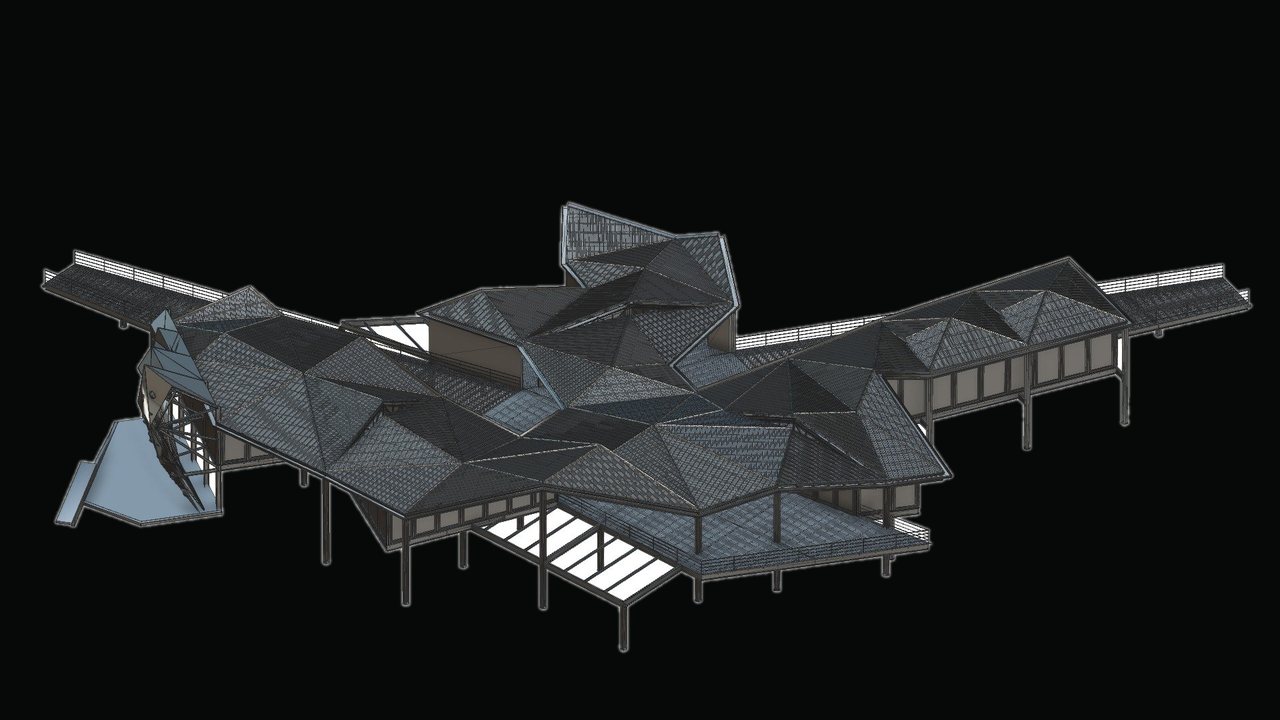
Fig. 45Ribera Viva.
Fig. 46Ribera Viva, column.
Fig. 47Model SprAI.

All my models on Sketchfab →

ComfyUI

2024 · replacing people in a render

A test on one of our renders, step by step.

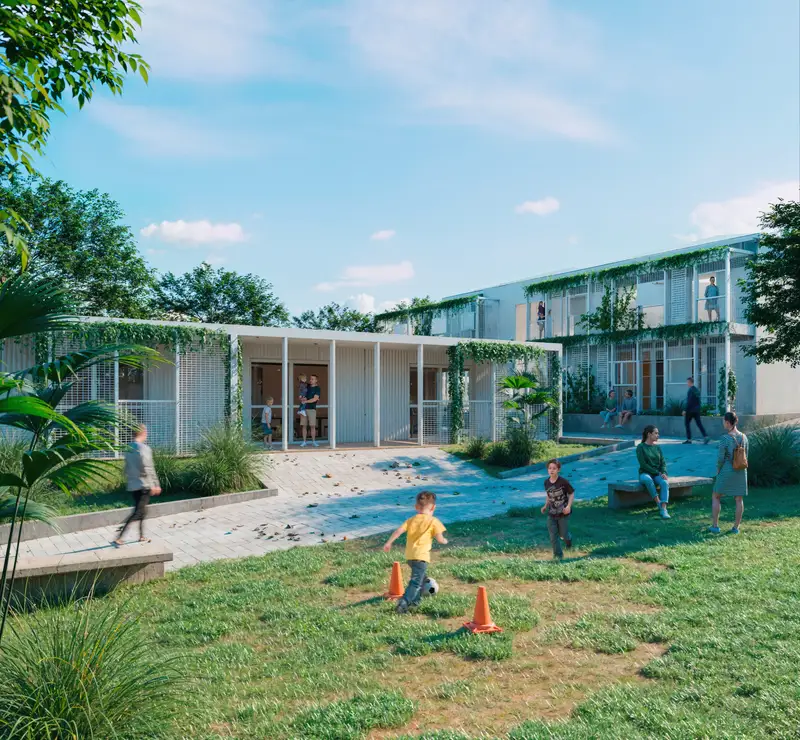
One AI pass over the whole image, then the people get changed. It is an experiment, and I always say when AI was involved.
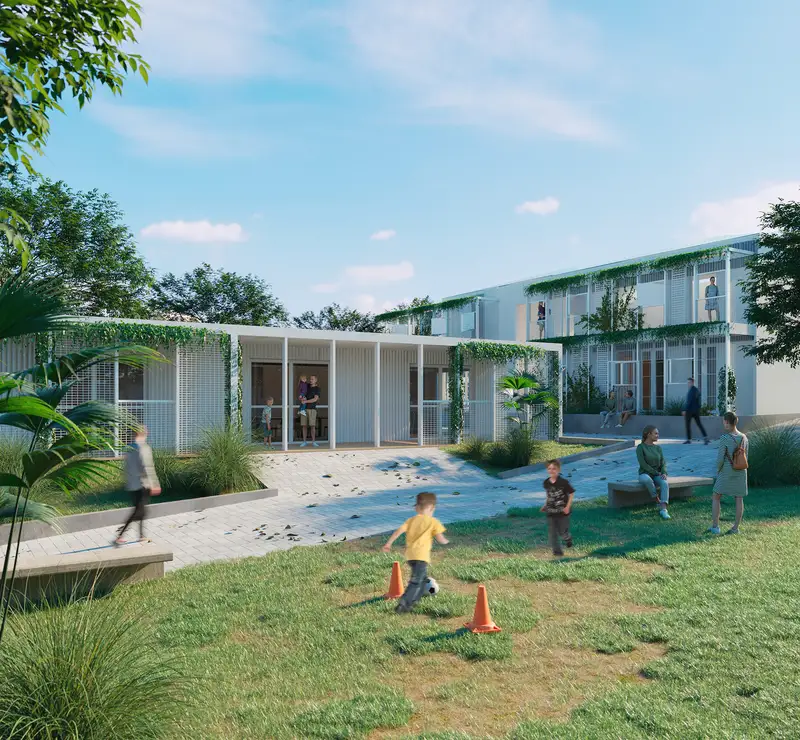
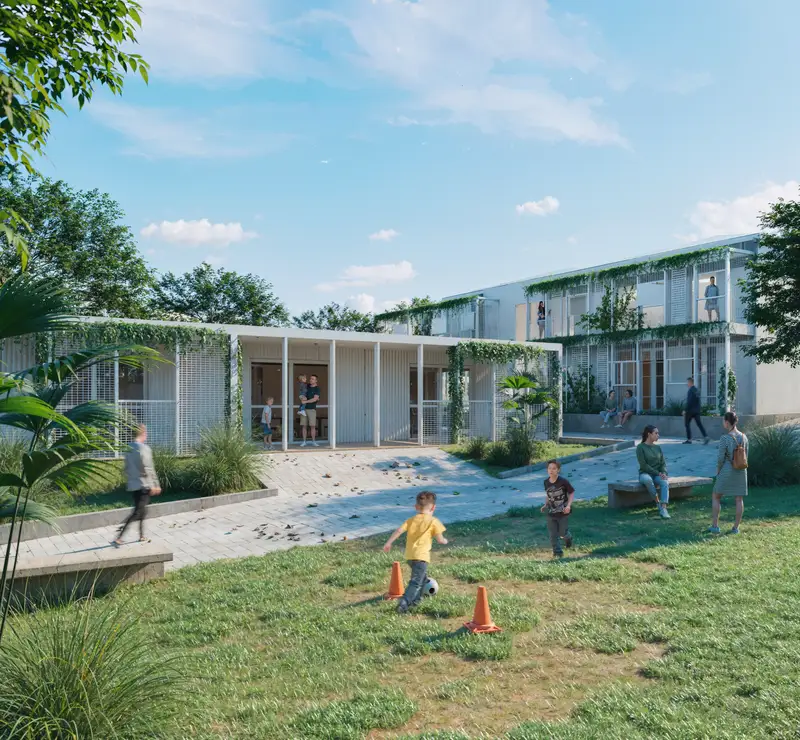
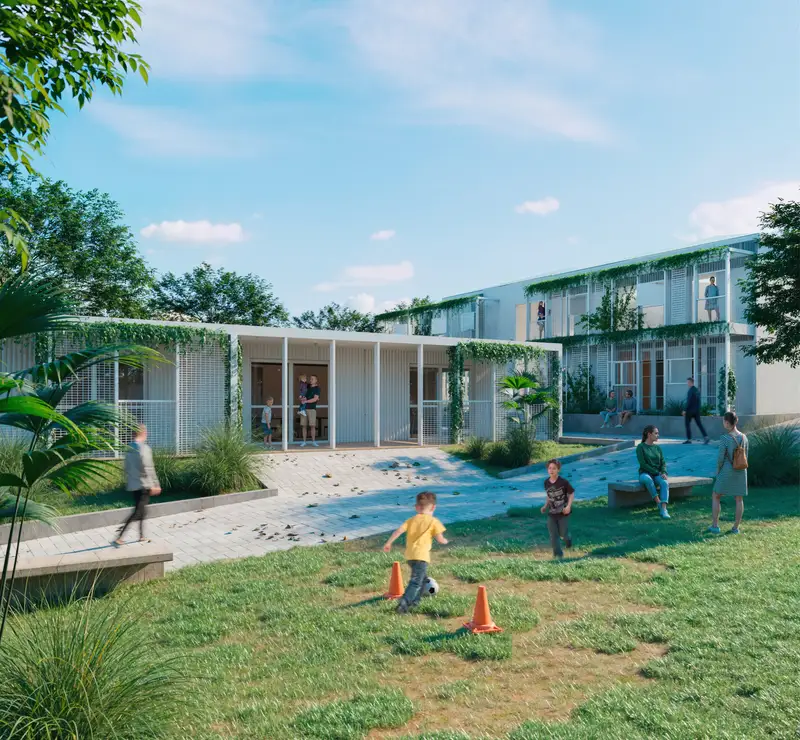
1. Original render
Fig. 481. Original render.
2. AI pass over the whole image
Fig. 492. AI pass over the whole image.
3. People replaced
Fig. 503. People replaced.
4. Last step of the test
Fig. 514. Last step of the test.
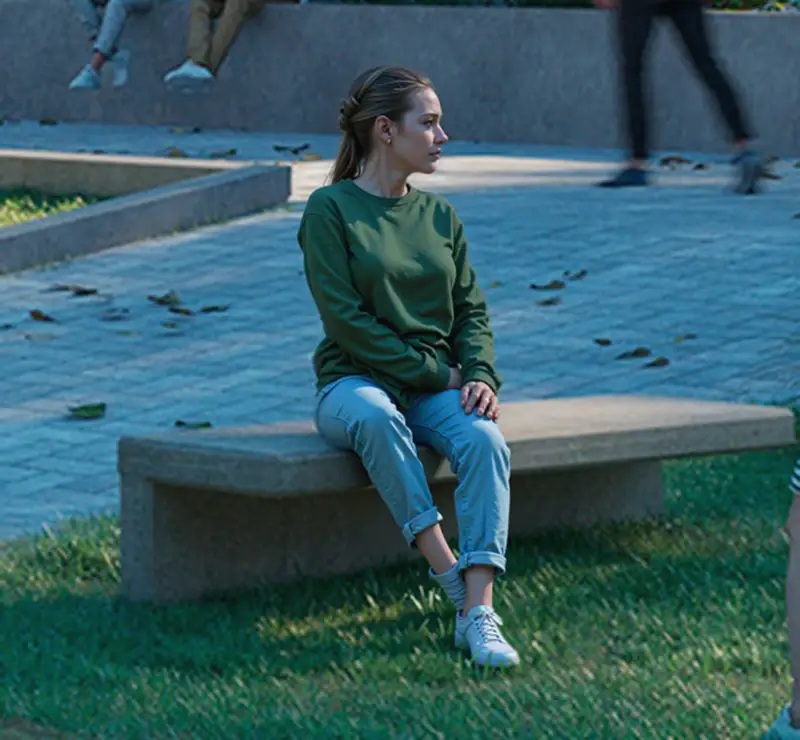
Detail of a replaced person
Fig. 52Detail of a replaced person.
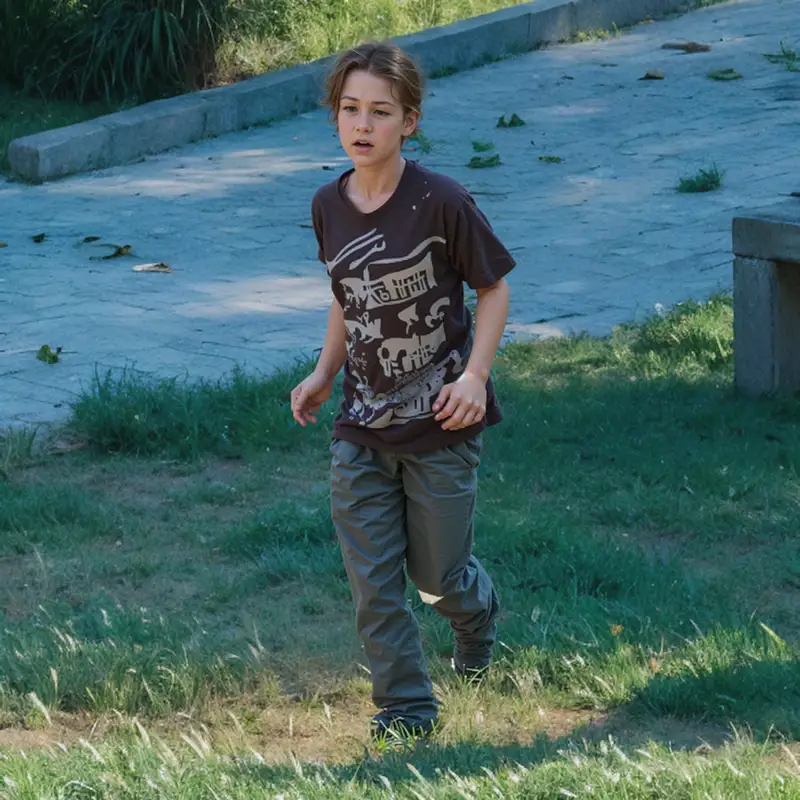
Detail of a replaced child
Fig. 53Detail of a replaced child.

CNC and laser machines

2017–2020 · with Juan Monaco

First a CNC, then an industrial CNC and a laser cutter.

With Juan Monaco we built my first CNC, then an industrial CNC and a laser cutting machine. I was mainly in charge of the control electronics, and Juan of the mechanical structure.

Prixel, a digital fabrication venture from that period, belonged to Juan Monaco and Diego Vázquez; it ran for a few years and then closed.

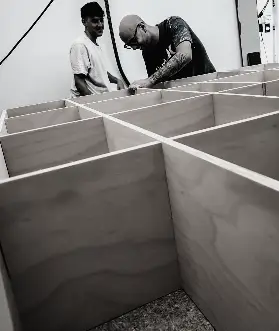
Prixel ran for some years and closed. Its public profile summed it up as “Mecanización, corte y grabado en madera. Placa entera.” and showed furniture such as stools, a rocking chair and desks. I took part in the machines and appear in that workshop; the venture was theirs.
Prixel's Instagram, the archive of its public account →

Agustín in the Prixel workshop
Fig. 54Agustín in the Prixel workshop.
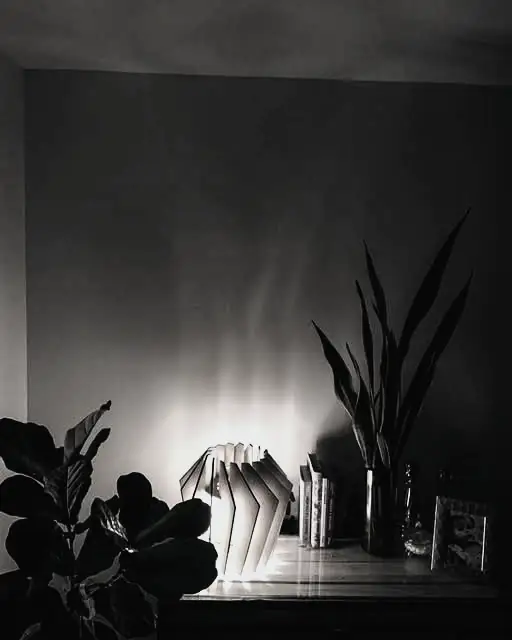
A lamp made of stacked plywood slats, lit
Fig. 55A lamp made of stacked plywood slats, lit. Photo from Prixel's account.
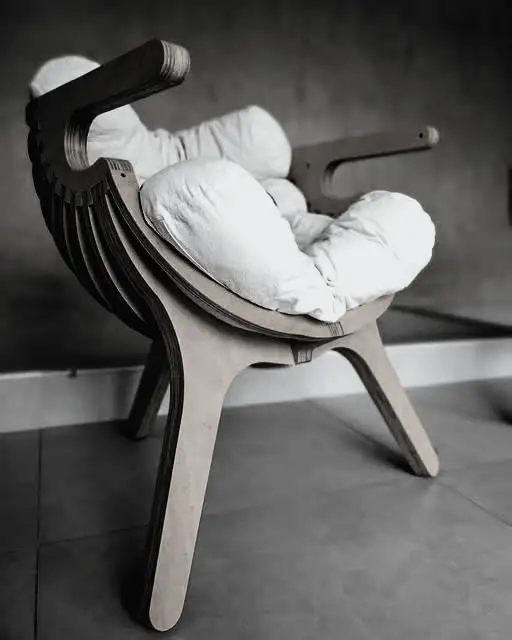
A chair made of plywood ribs
Fig. 56A chair made of plywood ribs. Photo from Prixel's account.
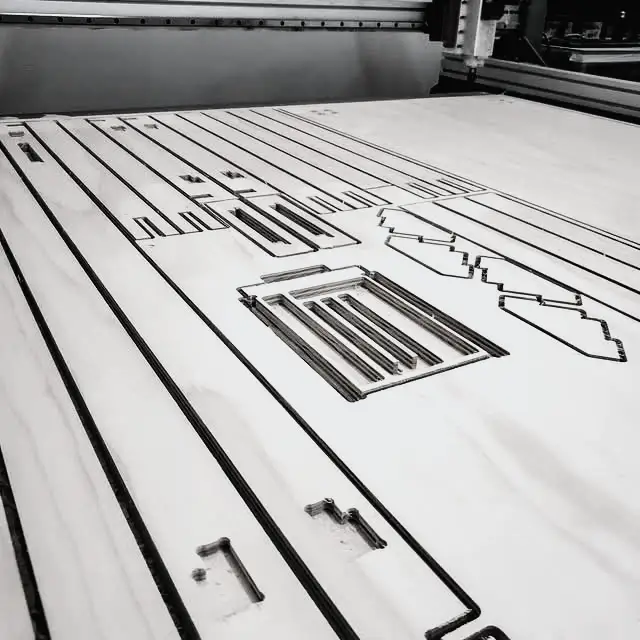
A full sheet on the CNC bed, already cut
Fig. 57A full sheet on the CNC bed, already cut. Photo from Prixel's account.

Working on a project, or growing a team?

a.gonzalezcorazza@gmail.com